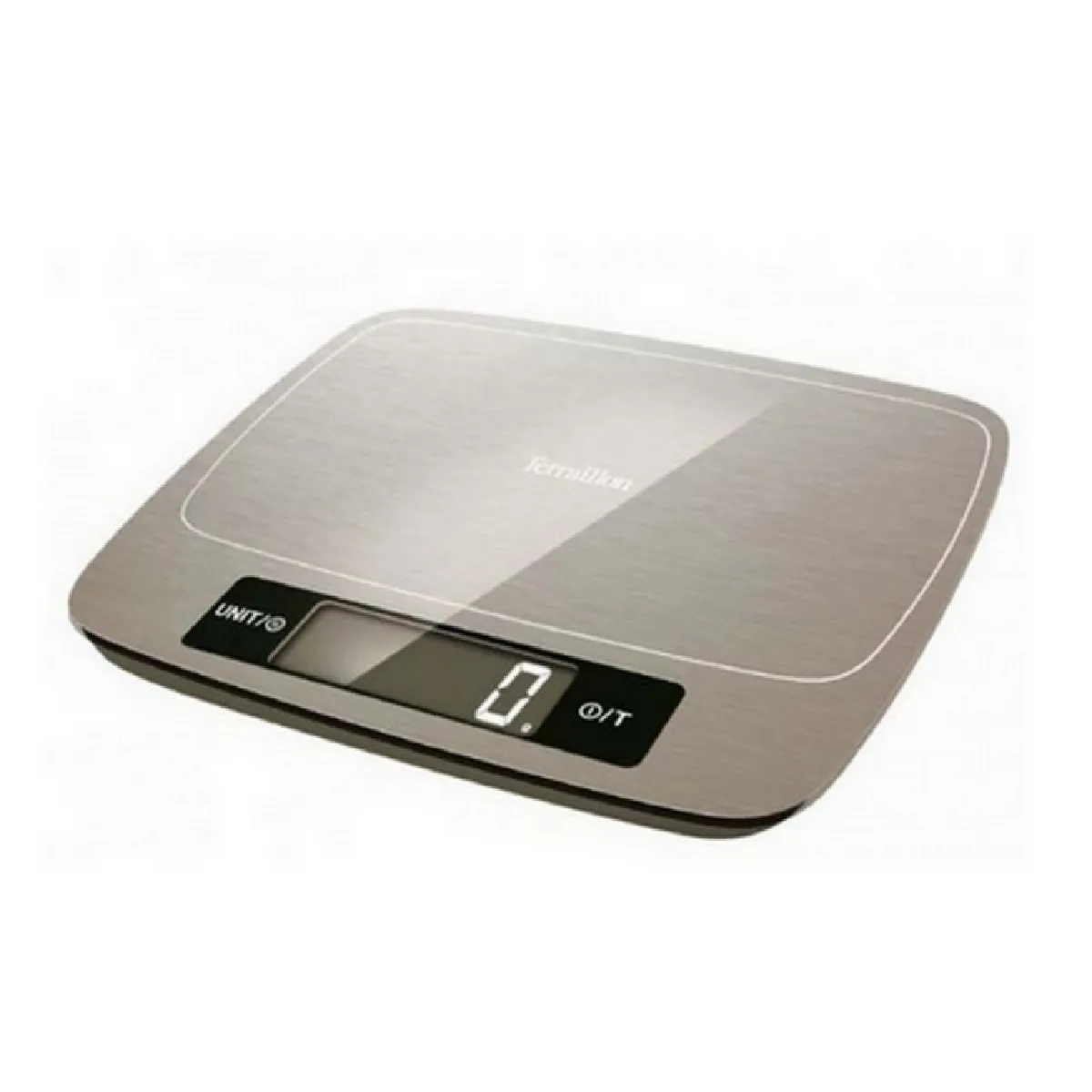
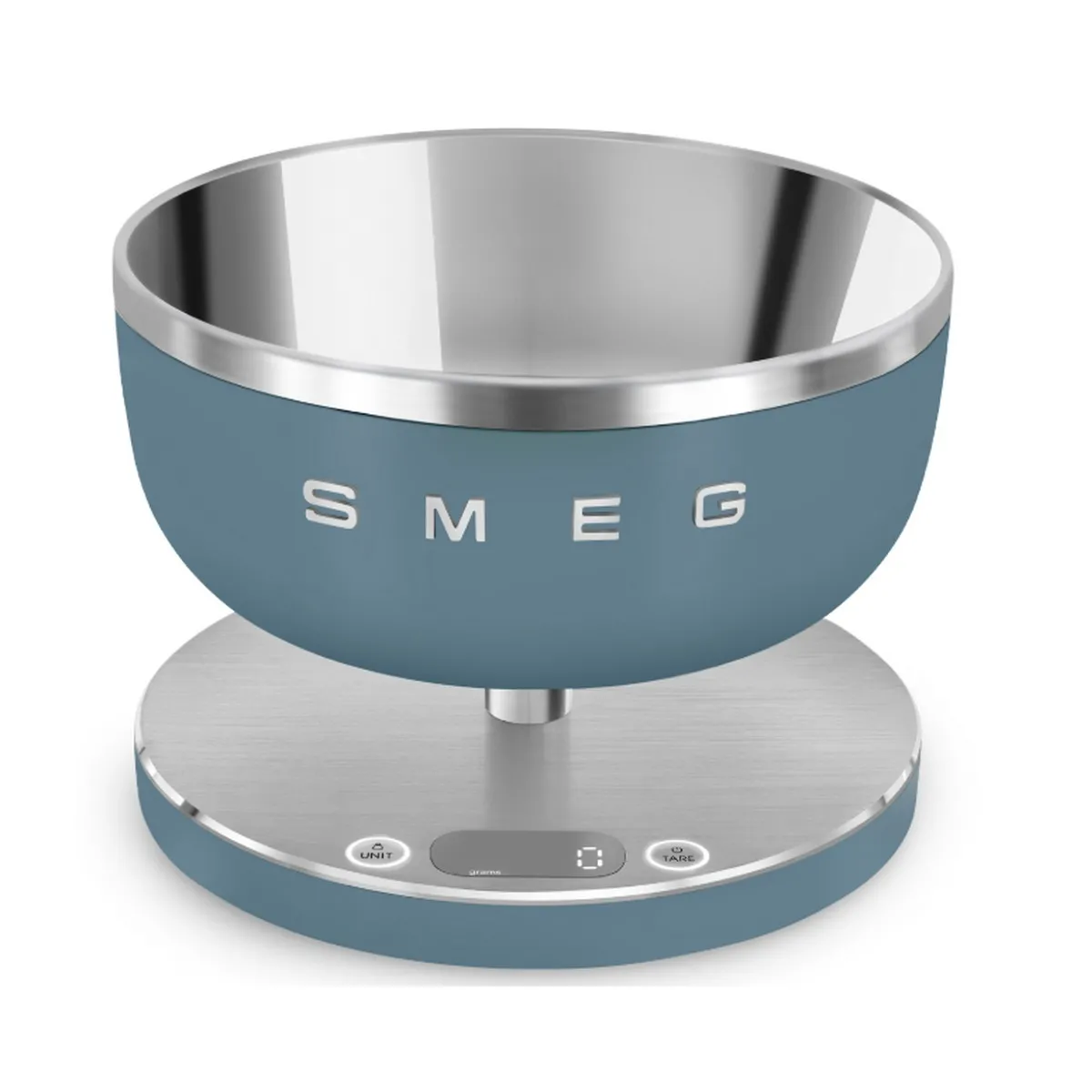
A kitchen scale is a small, cheap tool that answers one question: how much food is this, really? Most of us eyeball portions with spoons, cups and handfuls. That works well for some foods and badly for others. Try it below.
See how far a spoon can drift
A scale matters most for foods that are dense in energy and easy to scoop: oils, nut butters, dry rice, pasta and oats.
Why measures drift
A spoon or cup measures volume, not weight. Two scoops of the same size can weigh quite different amounts depending on how packed the food is, how heaped the spoon is and how fine or coarse the food is. A baking site notes that how you fill a cup of flour can change it by up to 3 to 4 tablespoons.
Research on portion guessing points the same way. In one study of 67 adults estimating 42 weighed foods, only about 3 in 10 cup-and-spoon estimates of regular-shaped foods and liquids landed within 25% of the true weight, and spreads were often off. Irregular foods such as meat and fish were commonly overestimated.
When a scale earns its place
It helps most with foods where a small error is a lot of energy. One tablespoon of oil is around 120 kcal, so a heaped one can add dozens of kcal on its own. It matters less for vegetables, fruit and anything you eat until you are comfortably full, where a few grams hardly change the picture.
- Useful for: oils, nut butters, dry rice, pasta, oats, cheese, and learning what your usual portions look like.
- Not needed for: most fruit and vegetables, or if you are not tracking anything. Many people eat well without ever weighing food.
- Try it for a week or two, then put it away. The point is to calibrate your eye, not to weigh food forever.
Weighing and counting food is not for everyone. If you have or have had an eating disorder, it can do more harm than good, so talk to a doctor or dietitian before you start. The same goes if you are pregnant or breastfeeding, take medication (especially for diabetes or blood pressure) or have a medical condition. This guide is general information, not medical advice.
What to look for
- 1 g steps are plenty for cooking; finer steps are only useful for coffee or baking.
- Enough capacity for a bowl: 3 to 5 kg is typical, and you will use the tare (zero) button to weigh bowl plus food.
- A flat, easy-to-wipe top that does not trap crumbs.
- Clear display and a power source you can replace, such as a common battery.
Sources