Same food, two weights
Put 100 g of dry rice in a pan and you end up with around 250–300 g of cooked rice. Nothing was added except water, which has no calories. So the rice did not become "lighter in energy". The same energy is now spread over a heavier pile.
That is the whole puzzle behind the question beginners ask when they start weighing food: should I weigh it raw or cooked? Both are fine. What goes wrong is mixing them up, for example weighing cooked rice and then logging it against the entry for dry rice.
Why the numbers change
Cooking moves water in or out. Rice, pasta and lentils soak it up, so a gram of the cooked food holds fewer calories than a gram of the dry food. Meat and fish lose water (and some fat) as they cook, so a gram of cooked chicken holds more calories than a gram of raw chicken. Foods like boiled potatoes barely change.
The approximate values below come from the USDA FoodData Central database, per 100 g:
| Food | Dry / raw | Cooked |
|---|
| White rice | about 365 kcal | about 130 kcal |
| Spaghetti | about 371 kcal | about 158 kcal |
| Lentils | about 352 kcal | about 116 kcal |
| Chicken breast, skinless | about 120 kcal | about 165 kcal |
These are averages. How long you boil the pasta, how much water the rice takes up or how hot the pan is all shift the result, and brands differ, so treat any single figure as an estimate that can be 10% or more out.
Try it: what is on your scale?
Weigh it either way, but log it against the entry that matches the state it was in on the scale.
Three ways to keep it simple
Weigh dry or raw when you can. Pack labels on dry foods usually show dry values, a dry weight does not depend on how long you boiled anything, and there is nothing to convert. The same goes for raw meat and fish.
Cooking a batch? Weigh the whole pot. Weigh the empty pot, cook with a known dry weight, weigh the pot again, and subtract. Divide the total energy (dry weight × the label figure ÷ 100) by the cooked grams to get kcal per gram for your batch. Then weigh your portion and multiply.
Read the entry name. Food databases and apps usually list "rice, cooked" and "rice, dry" separately. If you cannot tell which one an entry is, pick another one.
Does it matter that much?
For a 75 g dry portion of rice it is the gap between about 270 kcal and about 100 kcal, so yes, it can matter if you are tracking. But this is not about being exact: calorie numbers on labels and in databases are estimates anyway. Counting is also not for everyone. If it makes you anxious, or you have had an eating disorder, skip the scale and talk to a doctor or dietitian about other ways to eat well.
As always, this is general information, not medical advice. If you have a condition, are pregnant or breastfeeding, or take medication (especially for diabetes or blood pressure), check with a doctor or dietitian before changing how you eat.
What to look for in a kitchen scale
- 1 g steps, so a 60 g portion of dry pasta is not a guess. Finer steps rarely matter for everyday food.
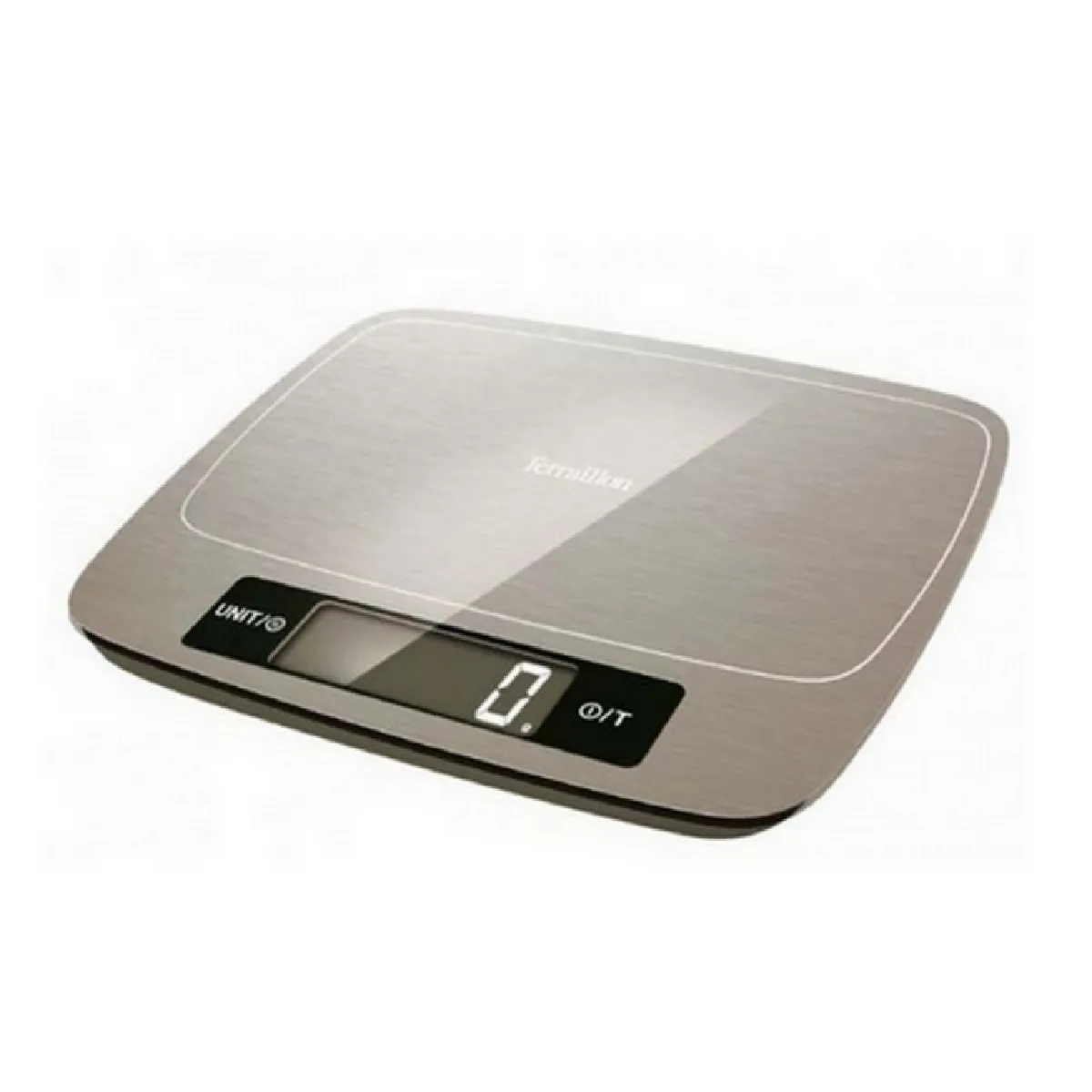
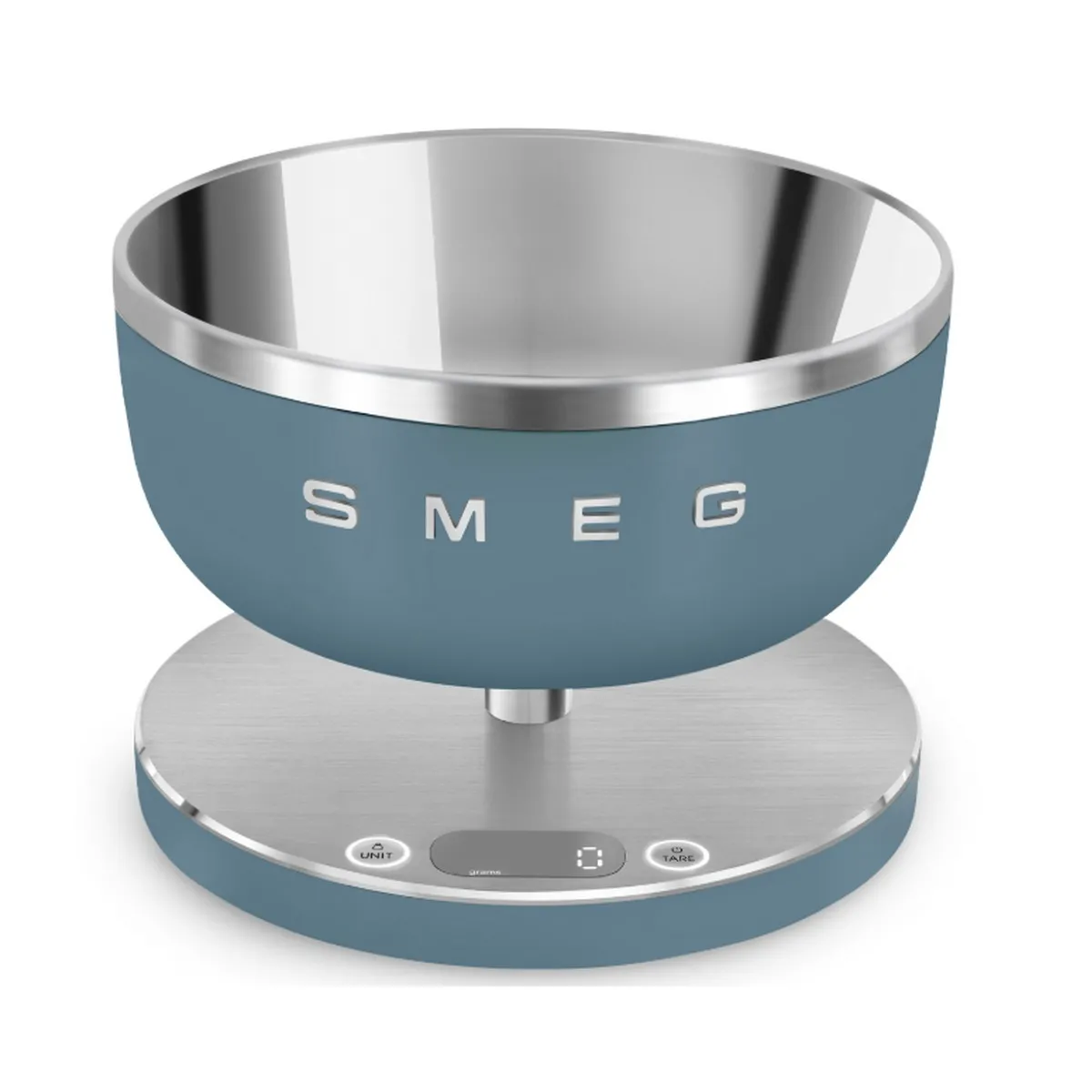
- A tare button, which zeroes the display so you can weigh the food without the bowl or pot.
- Enough capacity for a full pot of cooked food, around 5 kg, and a platform big enough that the display is not hidden by your plate.
- A wipe-clean surface and a display you can read at a glance.
Sources