Is browned toast a problem? Pick a food and see how golden is golden enough
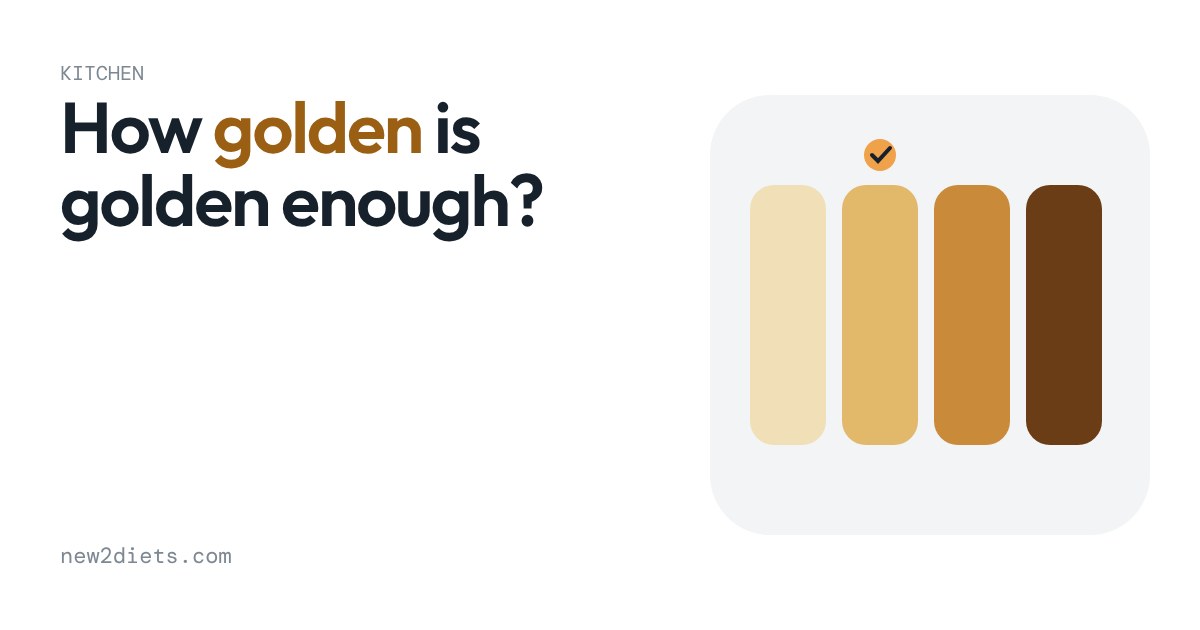
Is browned toast or a crispy roast potato a problem? Starchy foods cooked dry at high heat form acrylamide, and food safety bodies suggest cooking them to golden yellow or lighter rather than dark brown.
Pick a food, slide from pale to burnt and see how the advice changes. This is general information, not medical advice.
Why browning matters, in plain words
When starchy foods such as bread, potatoes and parsnips are cooked dry at high heat, a chemical reaction between a natural amino acid (asparagine) and sugars makes the surface go brown and tasty. It also makes a substance called acrylamide. It forms mostly above about 120°C in dry cooking such as frying, roasting, baking and toasting, and much less when you boil or steam.
Acrylamide causes cancer in animals, and food safety bodies treat it as something to keep low as a precaution. They also say we cannot put a number on the risk in people, and no "safe level" has been set. So this is a nudge, not an alarm: the usual advice is simply to cook starchy foods to golden yellow or lighter rather than dark brown.
What the health bodies actually say
The UK Food Standards Agency advises aiming for a golden yellow colour or lighter when you fry, bake, toast or roast starchy foods, and following the cooking instructions on the pack. The European Food Safety Authority (EFSA) reviewed the evidence in 2015 and agreed acrylamide may increase cancer risk for people of all ages, while saying it cannot estimate how much. On a body-weight basis children have the highest exposure.
The biggest sources for adults are fried potato products and coffee, followed by bread, biscuits and crackers. That is why the advice is mostly about chips, roast potatoes and toast, and why a varied diet matters more than any one food.
Go for golden, not dark: it is a small habit, not a reason to fear toast.
Simple habits that help
- Cook to colour. Check food a little early and stop at golden yellow. Cut away any burnt bits.
- Follow pack times. Frozen chips and roasties are tested for the time and temperature on the label; air fryers and ovens differ, so check once.
- Mix the methods. Boiled, steamed and microwaved potatoes and veg make far less acrylamide than fried or roasted ones.
- Potato storage is flexible. The FSA used to say not to keep raw potatoes in the fridge. After a review it now says fridge or a cool, dark place both work, so you can choose whichever reduces waste.
- Eat a balanced diet. Plenty of fruit, vegetables and fibre does far more for long-term health than worrying about a slice of toast.
When to ask someone
This guide is general information, not medical advice. If you have a medical condition, are pregnant or breastfeeding, have or had an eating disorder, or take medication, talk to a doctor or dietitian before changing how you eat. If browning worries you so much that it makes eating stressful, that is also worth mentioning to them: golden toast is fine.
Sources
- UK Food Standards Agency: Acrylamide
- EFSA: Acrylamide in food (scientific opinion, 2015)
- EUFIC: What EFSA says about acrylamide